Old Typewriter: The Slab Serif Font with Vintage Character
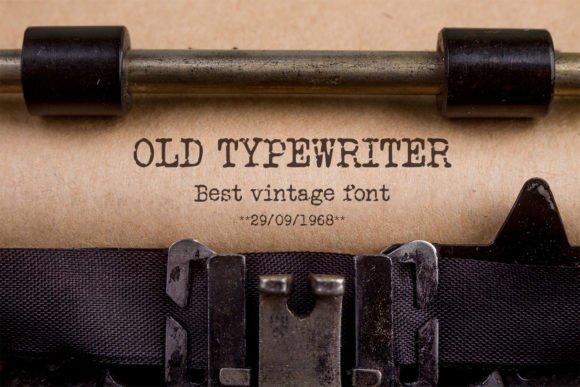
There’s something about the clack of mechanical keys and the faint impression of ink on paper that instantly transports you to another era. For designers and creators looking to capture that nostalgic, authentic feel in their work, the Old Typewriter font offers a direct line to the past. This isn’t just another slab serif; it’s a typeface with a distinct personality, designed to evoke the look and feel of classic mechanical type. Its slightly uneven edges and sturdy, grounded letterforms give it a charming, handmade quality that digital perfection often lacks.
What makes a font like this so appealing? It’s all about the story it tells. In a world saturated with clean, minimalist sans serifs, a well-crafted vintage font stands out. It carries connotations of authenticity, craftsmanship, and a certain timelessness. Whether you’re working on a brand identity, a social media campaign, or a piece of wall art, choosing the right typeface is a critical decision that sets the entire tone. A font with this much character does a lot of the heavy lifting for you, instantly communicating a specific mood and aesthetic.
More Than Just a Pretty Typeface
While its visual charm is undeniable, the practical applications for a font like Old Typewriter are vast. Think beyond the obvious "old-timey" projects. This creative font can be a powerful tool in your design assets library for a variety of modern contexts. Its strong, legible structure makes it surprisingly versatile. Consider using it for:
- Branding & Logo Design: For businesses that want to project authenticity, heritage, or a handcrafted feel. A coffee roaster, a boutique law firm, a record store, or an artisan bakery could build a memorable brand identity around this typeface. It works beautifully in logos, on business cards, and as a headline font for websites.
- Packaging Design: On product labels and packaging, this font can add a layer of perceived quality and care. It’s perfect for gourmet foods, craft spirits, vinyl records, or any product where the story of its creation is part of its appeal.
- Editorial & Print Layouts: In magazines, book covers, or newspaper-style layouts, it excels as a display font for headlines and pull quotes. It grabs attention and establishes a strong editorial voice, making it a great choice for publications focused on history, culture, or lifestyle.
- Digital & Social Media Graphics: In the fast-scrolling world of social media, a unique font can stop a thumb. Use it for Instagram post templates, YouTube thumbnails, or Pinterest graphics to create a cohesive and recognizable look. It adds instant visual interest to quotes, announcements, and promotional materials.
Matching Font Personality to Project Goals
The key to using any distinctive font effectively is alignment. The personality of Old Typewriter—nostalgic, sturdy, slightly imperfect—needs to match the message you’re trying to convey. A font pairing strategy is essential here. Because Old Typewriter is a strong display font, it often pairs best with a cleaner, more neutral companion for body text. A simple sans serif font or a classic serif font can provide excellent readability for longer paragraphs while allowing the typewriter font to shine in headlines and key phrases.
Imagine you’re designing a poster for a local jazz festival. Using Old Typewriter for the main event name and dates creates an immediate retro vibe. You’d then pair it with a clean, modern sans serif for the venue details and ticket information to ensure clarity. This contrast creates visual hierarchy and keeps the design from feeling cluttered or difficult to read. Always test your font pairings in context. Mock up your designs on a website, a social media post, or a physical product label to see how the typography works together in the real world.
Practical Considerations for Professional Use
Before you commit to a premium font for a project, especially a commercial one, there are a few practicalities to check. First, review the full character set and included font styles. Does it have the punctuation, numerals, and special characters you need? Some typewriter fonts include alternate characters or stylistic sets that allow for even more customization, which can be a fantastic bonus for creating unique designs.
Second, and most importantly, understand the licensing. If you’re using the font for a client project, for merchandise you plan to sell, or for a business’s marketing materials, you need a commercial license. Reputable font foundries are clear about their licensing terms. Using a font without the proper license is a risk no professional should take. This ensures you’re respecting the work of the type designer and protecting your own projects legally.
Finally, never underestimate the importance of readability. While the aesthetic is key, the text must still be legible at the size it will be viewed. Test the font at various sizes, from a large poster headline to a small caption on a website. Check the spacing between letters (kerning) and lines (leading) to ensure a comfortable reading experience. A beautiful font that causes eye strain defeats its purpose.
Bringing a Story to Life with Type
Ultimately, choosing a typeface like Old Typewriter is about more than just decoration; it’s about communication. It’s a tool for building a world around your project, whether that’s the world of a 1920s newspaper, a mid-century novel, or a modern brand with a vintage soul. It helps improve visual consistency across all your materials, from a website header to a printed brochure, strengthening brand recognition and professional presentation.
For the content creator, the small business owner, or the designer looking for a creative font that has genuine character and a wide range of applications, exploring a well-made typewriter font is a worthwhile endeavor. It’s a design asset that can help you engage your audience on a more emotional level, tapping into a shared sense of nostalgia and appreciation for the tangible, the crafted, and the authentic. The right font doesn’t just display words; it gives them a voice.