Sarphine: A Handwritten Font That Balances Charm and Clarity
There’s a moment in every design project where the typography either clicks or it doesn’t. You’ve got the layout, the colors, the imagery—and then you try a font that either feels too stiff, too playful, or just not quite right. Enter Sarphine, a handwriting-inspired typeface that walks the line between casual and polished with surprising grace. It’s not trying to be the loudest voice in the room; instead, it offers a quiet confidence that can elevate everything from a wedding invitation to a brand logo.
More Than Just a Pretty Script
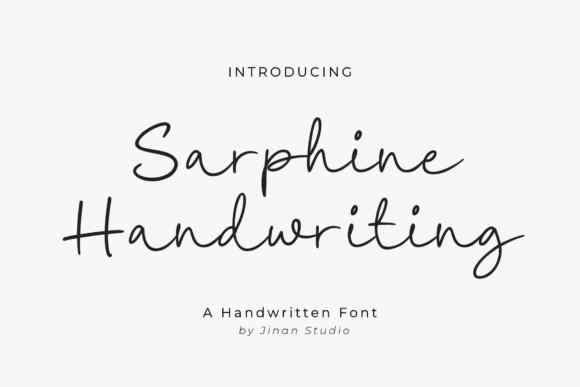
What sets Sarphine apart from other script or handwritten fonts is its thoughtful construction. Many handwritten typefaces lean heavily into either whimsy or formality, but Sarphine finds a middle ground. Its letterforms have a natural, organic flow—think of the way a skilled calligrapher’s hand might move across paper, with slight variations in pressure and angle. Yet, for all its elegance, it remains remarkably legible. That’s a crucial detail often overlooked in script fonts, where style sometimes trumps function. Sarphine’s designers clearly prioritized readability, ensuring that even at smaller sizes or in longer blocks of text, the words remain clear and accessible.
The font’s contemporary feel comes from its clean, uncluttered strokes. There’s no excessive swashing or overly decorative elements that might date it quickly. Instead, it feels fresh and modern, making it a versatile choice for projects that need to feel both current and timeless. Whether you’re designing a logo for a boutique bakery or crafting social media posts for a lifestyle brand, Sarphine brings a personal touch without sacrificing professionalism.
Where Sarphine Truly Shines: Practical Applications
One of the greatest strengths of a well-crafted creative font like Sarphine is its adaptability. It’s not a one-trick pony. Consider these real-world scenarios where it can add significant value:
- Brand Identity & Logo Design: For brands that want to convey approachability, craftsmanship, or a personal touch—think artisanal food producers, boutique studios, or wellness coaches—Sarphine can become the cornerstone of a visual identity. Used in a logo, it immediately communicates a human, handcrafted quality.
- Packaging Design: On product labels or packaging, especially for small-batch goods, cosmetics, or gourmet items, Sarphine can help products stand out on the shelf. It suggests care and attention to detail, which can influence a customer’s perception of quality before they even try the product.
- Digital Presence: In the digital realm, it’s perfect for hero sections on websites, blog headers, or quote graphics on social media. It adds personality to Instagram stories, Pinterest pins, and Facebook covers, helping content feel more curated and engaging. Its clarity also makes it suitable for shorter website banners or call-to-action buttons where a touch of personality is needed.
- Print & Editorial: For printed materials like invitations, thank-you cards, or editorial layouts in magazines and lookbooks, Sarphine brings an intimate, bespoke feel. It’s particularly effective for event stationery, where the font itself can set the tone for the entire occasion.
- Marketing & Merchandise: From email newsletter headers to tote bag designs or custom merchandise, this typeface can unify various marketing assets under a cohesive, recognizable brand voice.
Pairing for Impact: How to Use Sarphine Effectively
A font rarely works in isolation. The magic often happens in how it’s paired with other typefaces. Sarphine, with its script nature, works beautifully as a display or accent font. A common and effective strategy is to pair it with a clean, neutral sans-serif font for body text. This creates a pleasing contrast—the warmth and personality of the script against the clean, modern utility of the sans-serif. For example, using Sarphine for a headline and a font like Montserrat or Open Sans for paragraph text creates a balanced, readable, and visually appealing hierarchy.
When using Sarphine, consider the context. For a logo, you might use it alone for a very personal brand, or pair it with a simple sans-serif tagline. On a website, reserve it for key headings or pull quotes to draw the eye without overwhelming the reader. In packaging, it might be the primary font for the product name, with supporting information in a simpler typeface.
Always test your font pairings in the actual medium they’ll be used in. View a logo mockup on both a mobile screen and a printed business card. Check how a social media graphic looks when viewed quickly in a feed. Readability is paramount; if the text is difficult to decipher, the aesthetic appeal is lost. Sarphine’s inherent legibility is a major asset here, but context still matters.
Choosing the Right Style and Licensing
Fonts like Sarphine often come in a family of styles—perhaps including alternate characters, ligatures, or different weights. Before purchasing or downloading, explore what’s included. Alternates can give you more design flexibility, allowing you to customize the look of specific letters to better fit your project. Check if the font includes multilingual support if you’re working with international audiences.
Equally important is understanding the licensing. A premium font designed for commercial use will typically have a clear license outlining whether it’s permitted for use in logos, on websites, in apps, on merchandise, or for broadcast. If you’re a small business owner or entrepreneur using the font for client work or your own brand assets, ensure the license covers your intended use. This is a practical step that protects both you and the font designer.
Ultimately, choosing a typeface like Sarphine is about matching its personality to your project’s goals. It’s for those moments when you want to inject humanity, warmth, and a touch of elegance into your designs. It won’t be the right fit for every project—a technical manual or a corporate annual report might call for something more austere. But for projects where connection, creativity, and a personal narrative are key, Sarphine offers a compelling and sophisticated voice. It’s a tool that, when used thoughtfully, can help tell your story with clarity and style.